
Research Sourcing
99% Pure Does Not Mean The Vial Holds 10 Milligrams. Almost Nobody Checks The Second Number.
Purity and quantity are two different tests. A vial can pass one and say nothing about the other. Here is what the label alone does not tell you, and the one line on the lab report that actually does.
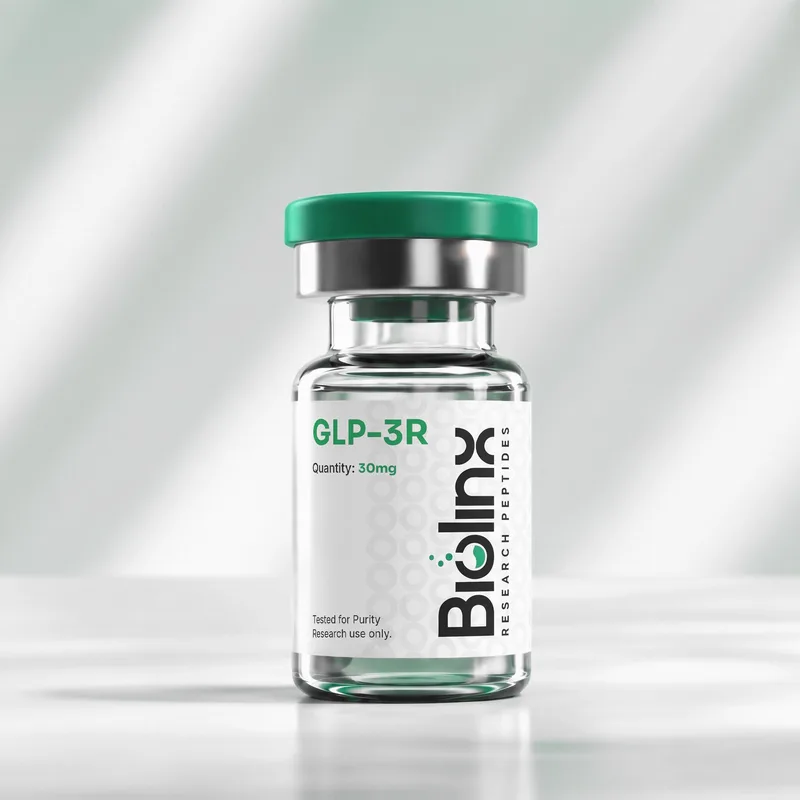 Explore Biolinx Labs →
You order a vial. The listing says 10mg. The page says 99% pure. It is easy to read those two facts as one claim: a 10 milligram vial that is almost entirely the right molecule.
That is not what the two numbers mean when you put them next to each other.
Purity is a ratio. Of the material in the vial, how much of it is the target molecule? That is the only question it answers.
Net content is an amount. How many milligrams of that molecule are actually in the vial? That is a separate measurement, and it needs a separate test to report.
A vial can be 99% pure and still hold less than the label claims. Both things can be true on the same lab report. Most listings in this category only print one of them.
Biolinx Labs separates the two numbers on its own specification.
Its quality page lists net content and gross weight as two different lines, not one purity figure standing in for both.
Explore the Offer →1A percentage cannot tell you an amount
A glass can be 99% orange juice and still be half empty. The 99% describes what is in the liquid. It says nothing about how much liquid is actually in the glass.
A vial works the same way. Purity describes the contents. It does not measure them.
Purity says what it is. Net content says how much. A real specification reports both.
2The missing weight is not the compound
Material coming out of synthesis carries things beyond the target molecule, mainly residual salts and water the powder pulls in from the air. Those do not lower a purity figure, because purity only looks at the fraction that is the compound.
But they take up weight in the vial. If the label says 10mg and a meaningful share of that weight is salt and water, the actual compound is whatever is left over.
Weight in the vial and target compound in the vial are not the same measurement.
3Why the second number usually goes missing
It costs more to produce. Purity comes off a standard HPLC run. Net content needs an additional quantitative method, and someone has to order it and put it on the document.
A supplier who never runs that test is not hiding a bad number. They simply do not have one, and neither do you.
A missing number is not proof of anything. It is the absence of proof, which is the actual problem.
4Where that number is supposed to show up
Every Biolinx vial carries a batch code that opens its own lab report. That document is where purity and identity results sit for the exact batch in your hand, rather than on a generic product page.
A supplier willing to show you the batch-specific report is not afraid of the second number.
Sample layout, not a real report. Use the lab report lookup below to open the real one for your batch.
Transparency you can verify
Verify Your Product's Lab Report
Every vial carries a batch code that opens its own lab report. Enter the code to see the available analytical results for that exact batch, including purity by HPLC and identity by mass spectrometry.
The lookup runs on Biolinx Labs and opens the report for the matching batch. If a code is not recognised you are returned to the verification section so you can check it and try again. Browse all current certificates
5How to check it in thirty seconds
Open the lab report for the product you are looking at. You do not need to read all of it. Look for one line.
- A line for net content, separate from purity. If it is not there, that measurement was never reported.
- A result next to it. A milligram figure or an explicit statement against the label claim.
- The batch code matching your vial. Otherwise you are reading about a different batch entirely.
- A named testing laboratory. Mass spectrometry or an outside lab, not just the word "certified" on its own.
Four things, under a minute. It is the fastest way to tell suppliers apart in this category.
| On the lab report | Biolinx Labs | Typical supplier |
|---|---|---|
| Purity figure (HPLC) | Reported | Reported |
| Net content vs gross weight | Noted separately | Usually one blended figure |
| Identity confirmation | Mass spectrometry, same report | Often absent |
| Batch-specific report | Code on the vial opens it | Product-level, reused |
| Independent lab | Reports hosted independently | Rarely offered |
6What actually arrives
Everything below is something you can check yourself against the vial in your hand.
- A vial with a batch code printed on it.
- A lab report for that exact batch, opened by the code.
- Purity by HPLC and identity by mass spectrometry.
- Net content noted separately from gross weight.
- A certificate included with every order.
Read the second number first. Then decide.
Open the report for your batch and look for net content before you look at anything else. Buy 1, get 1 free on eligible vials while you are there.
Explore the Offer →Affiliate Program
Become a Biolinx Labs Affiliate and Earn Up to 25% Commission
Partner with Biolinx Labs and earn commissions by referring eligible customers through your unique affiliate link. Join the affiliate program, access available promotional resources, and earn commission on qualifying purchases in accordance with the program terms.
Become an Affiliate →Commission applies to qualifying sales and reorders under the program terms, and earnings depend on the current offer. Affiliate promotion follows the program's advertising policies: research use only, with no health or human-use claims.
- Sign upJoin the program, free.
- Receive your linkGet your unique referral link by email.
- Share and earnShare it with your audience and earn on eligible sales.

Comments
Did not realize purity and net content were two different tests until I read this. Went back through old reports from a different supplier and neither one listed content at all.
Same experience here. I had been comparing suppliers on purity percentage alone for months.
Typed the code from my vial into the lookup out of curiosity and the report for that batch opened straight away. Exactly what this describes.
The orange juice comparison finally made this click for me. A full glass and a pure glass are two different claims.
Checked three other listings after reading this. Two had no net content line at all.
Ordered twice a few months apart and both reports were laid out the same way. That consistency is what kept me around.