
Testing Standards
Purity Is The Easy Test. Here Are The Checks Most Suppliers Never Publish.
Purity is the cheapest test to run, and the only one most listings report. Net content, residual solvents and endotoxin data rarely make it onto a public specification. Here is what else is supposed to be on the page.
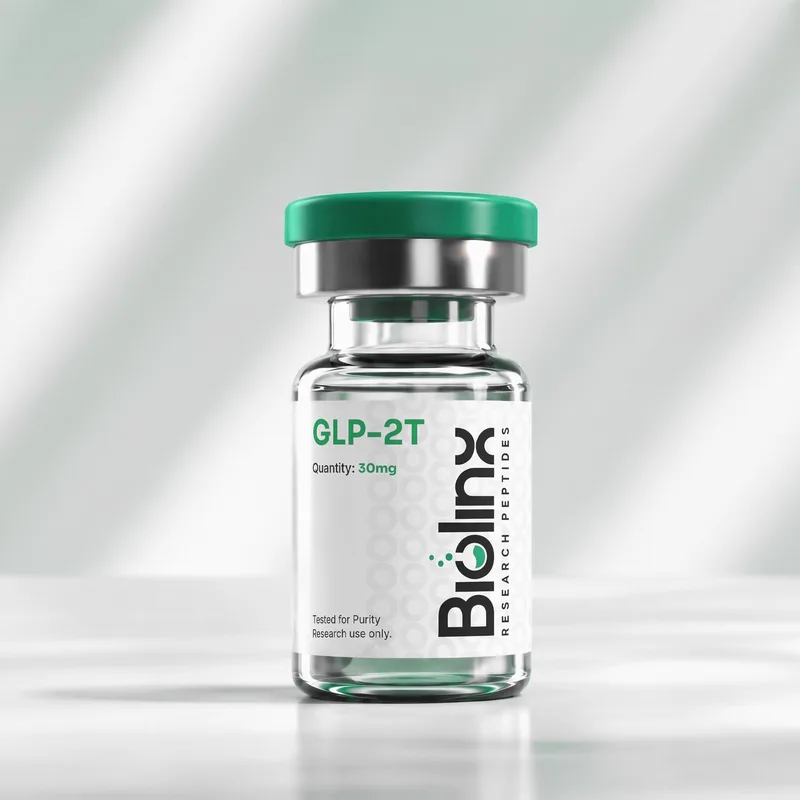 Explore Biolinx Labs →
Ask most suppliers what they test for and the answer is purity. It is the number on every label, the number in every ad, the number people compare across listings before they buy anything.
It is also the cheapest test to run, which is exactly why it is the only one that reliably gets published.
A real specification has more lines than that. Net content versus gross weight. Residual solvents from synthesis. Endotoxin data. Whether the material has been checked by anyone outside the seller's own lab. Most listings are silent on all four.
Biolinx Labs publishes what most listings leave out.
Its quality page documents residual solvent tracking, endotoxin data where applicable, independent confirmation and net content, not just a purity percentage.
Explore the Offer →1Purity was never supposed to be the only number
Purity answers a real question, and it matters. But it is one question out of several, and it happens to be the one that costs the least to answer.
Purity is necessary. It was never supposed to be sufficient on its own.
2Residual solvents almost never make it onto the page
Synthesis and purification use solvents like TFA and acetonitrile. They are supposed to be tracked against accepted limits and reported on the batch documentation. Most listings simply do not mention them, in either direction.
A solvent nobody checked for does not disappear because the page is silent about it. Silence is not the same as a clean result.
A solvent nobody tracked does not vanish. It just never shows up on the report.
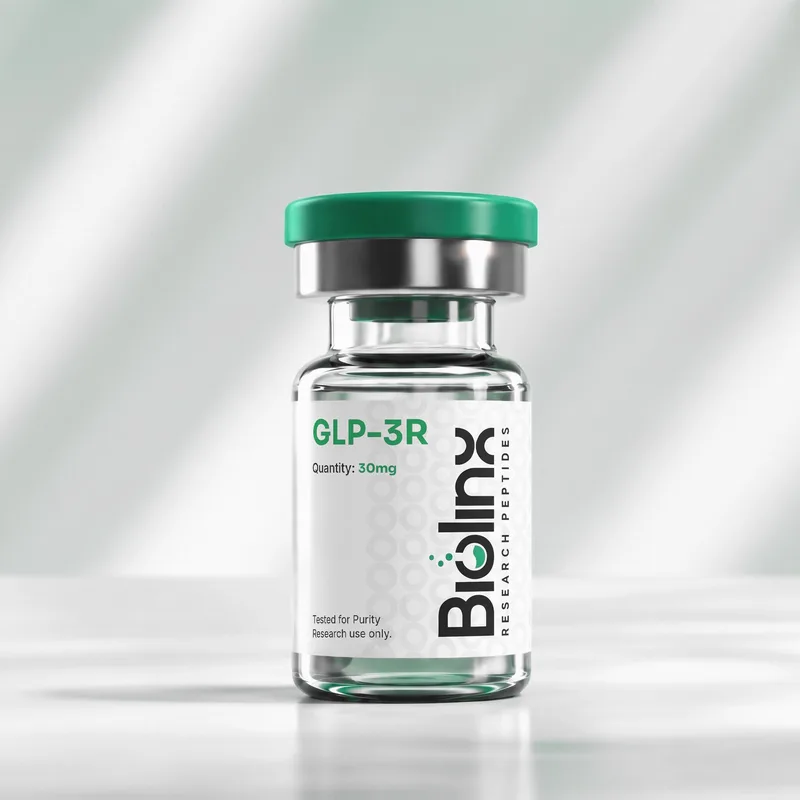 Explore Biolinx Labs →
3Sterile and endotoxin-free are two different findings
These get treated as the same claim, and they are not. Sterility testing checks whether anything grows. Endotoxins are a separate class of material entirely, and they survive processes that kill live organisms, so a sterile result does not tell you anything about endotoxin levels on its own.
That is why Biolinx Labs frames it as endotoxin data reflected on batch documentation where applicable, rather than folding it silently into a purity or sterility claim.
Sterile and endotoxin-free are two different findings. Ask which one, if either, is actually on the page.
Sample layout, not a real report. Use the lab report lookup below to open the real one for your batch.
4Independent confirmation is an offer, not a default
In-house testing is real testing, but it is also the seller checking their own work. Independent confirmation means the same material can be checked at an outside laboratory, so you are not relying only on the seller's own word.
Almost nobody supports this. A supplier that does is telling you something a purity number cannot.
A supplier who welcomes an outside check on their own material is not the one hiding something.
Transparency you can verify
Verify Your Product's Lab Report
Every vial carries a batch code that opens its own lab report. Enter the code to see the available analytical results for that exact batch, including purity by HPLC and identity by mass spectrometry.
The lookup runs on Biolinx Labs and opens the report for the matching batch. If a code is not recognised you are returned to the verification section so you can check it and try again. Browse all current certificates
5The thirty second check
- A residual solvents line. Named solvents, tracked against a limit, not just a purity percentage.
- Any mention of endotoxin data. Even a note that it does not apply is more honest than total silence.
- Independent confirmation. Ask directly if the listing does not say.
- The batch code on the report matching your vial. A document for the wrong batch proves nothing about yours.
| On the lab report | Biolinx Labs | Typical supplier |
|---|---|---|
| Purity (HPLC) | Reported | Reported |
| Residual solvents (TFA, acetonitrile) | Tracked, on documentation | Rarely published |
| Endotoxin data | Reflected where applicable | Rarely addressed |
| Independent confirmation | Supported | Rarely offered |
| Batch-specific report | Code on the vial opens it | Product-level, reused |
Read past the purity line. Then decide.
Open the report for the exact batch you are considering, and check for the lines most listings leave blank. Buy 1, get 1 free on eligible vials.
Explore the Offer →Affiliate Program
Become a Biolinx Labs Affiliate and Earn Up to 25% Commission
Partner with Biolinx Labs and earn commissions by referring eligible customers through your unique affiliate link. Join the affiliate program, access available promotional resources, and earn commission on qualifying purchases in accordance with the program terms.
Become an Affiliate →Commission applies to qualifying sales and reorders under the program terms, and earnings depend on the current offer. Affiliate promotion follows the program's advertising policies: research use only, with no health or human-use claims.
- Sign upJoin the program, free.
- Receive your linkGet your unique referral link by email.
- Share and earnShare it with your audience and earn on eligible sales.

Comments
Never once thought to look for a residual solvents line until reading this. Went back through a report from another supplier and it just was not there.
Same. I assumed purity covered everything. It does not.
Asked about independent confirmation before ordering and got a straight answer. That alone told me more than the purity number did.
The sterile versus endotoxin-free distinction was new to me. Makes sense once you read it, but nobody explains it upfront.
Checked two other listings after this and neither mentioned endotoxin in any direction.
Documentation matched every time I ordered, three orders in. That consistency is the actual reason I keep going back.